

Why HR and Finance Can’t Afford to Lose Hours in Spreadsheets

Time is Money: Why HR and Finance Can’t Afford to Lose Hours in Spreadsheets In today’s public sector landscape, HR and Finance leaders are navigating increased demands with limited resources. From compensation planning to bargaining prep and workforce forecasting, the pressure is real and the time to get it all done is limited. So why are so many agencies still spending hours… in spreadsheets? The Time Trap: Manual Work That Drains Your Day If you’ve ever spent an afternoon trying to track down the right version of a labor costing sheet, rechecking formulas before a board meeting, or manually updating salary schedules across multiple tabs, you’re not alone. We hear it all the time: “We’re constantly duplicating data entry between HR and Finance.” “One wrong cell reference and the entire model is off.” “We build these massive spreadsheets that only one person really understands.” The cost isn’t just in headaches, it’s in hours. Hours that could be spent modeling strategic changes, preparing negotiation scenarios, or working directly with department leaders to plan for vacancies and retention. Opportunity Cost: What Could You Be Doing Instead? Let’s be honest: spreadsheets weren’t designed for compensation planning. They’re flexible, yes — but they weren’t built to handle multi-union bargaining, long-term labor forecasting, or shared HR/Finance collaboration. The longer you spend managing spreadsheets, the less time you have for the work that really moves the needle: Analyzing trends to inform your next pay structure. Aligning budget and staffing goals across departments. Preparing compelling, transparent data for union discussions. Forecasting the impact of workforce shifts over time. These aren’t just nice-to-haves, they’re critical for navigating today’s workforce challenges. What Happens When You Get Time Back? When public sector agencies automate compensation workflows and move away from spreadsheet dependency, the results are immediate: Faster proposal modeling with accurate cost comparisons across units. Real-time collaboration between HR and Finance using a shared system. Fewer errors and less time spent validating numbers. More focus on strategy, not formatting. Final Thought: Time Isn’t Just Money — It’s Mission-Critical At the end of the day, HR and Finance aren’t just managing data — they’re managing the future of the workforce. And that’s work too important to be buried under spreadsheets. Manual spreadsheets weren’t built for today’s workforce challenges — but TrueComp is. Our benchmarking and labor costing software empowers HR and Finance teams to collaborate in real time, eliminate manual errors, and make confident, data-driven decisions faster. Recent Posts Why HR and Finance Can’t Afford to Lose Hours in Spreadsheets Going Far, Together: The Quiet Power of Partnership Why Public Service Deserves More Than Just Appreciation Solving the Public Sector Pay Puzzle Load More Tags Resource Library Articles Customer Toolkit Case Studies Events & Webinars Videos Newsroom Subscribe today! We want to hear your story! Is your agency making waves in public service with fresh, innovative solutions—especially when it comes to tackling tough compensation challenges? Share your journey with us for a chance to be featured in our upcoming agency spotlight series. Let’s shine a light on your achievements and inspire others together! Click here
Going Far, Together: The Quiet Power of Partnership

Going Far, Together: The Quiet Power of Partnership By Harold Westervelt, CEO of TrueComp In any leadership role, there comes a moment when you pause and take stock—not just of where you’re going but also of how you’re getting there and who’s coming with you. Since stepping into the role of CEO at TrueComp, I’ve been reflecting on the kind of progress that lasts—the kind that’s measured not just in metrics but in trust, alignment, and shared vision. There’s a proverb I’ve always appreciated: “If you want to go fast, go alone. If you want to go far, go with others.” It’s not just about collaboration—it’s about how we define success. For me, that idea keeps coming back as a quiet guidepost: real impact requires partnership. Whether you’re leading a company, serving a public agency, or building something new, the instinct to go fast—solve quickly, scale aggressively, win independently—is familiar. And yet, over time, I’ve seen the most meaningful outcomes happen when we slow down enough to build with people, not just around them. Partnership is often framed in terms of strategy or speed to market. But I’ve come to see it as a leadership mindset—one rooted in mutual respect, shared responsibility, and long-term thinking. True partnership asks us to look beyond the transactional and toward the transformational. It challenges us to be clear about our values and generous with our efforts. Last week, TrueComp announced a new relationship with Carahsoft—an organization whose reputation for enabling government success speaks for itself. It’s a privilege to align with partners who share our focus on public service and long-term impact. More importantly, this collaboration reflects a belief that no matter how powerful a product or idea might be, it becomes exponentially more valuable when brought to life in the hands of others who care deeply about the mission. To me, being a good partner means consistently showing up. It means listening closely, responding with integrity, and staying open to new ways of working together. It’s also about knowing when to lead, when to support, and when to get out of the way so others can thrive. That mindset extends beyond the boundaries of any single company. It shows up in the way agencies work together across departments, in how leaders build coalitions to support their workforce, and in how public institutions align around the needs of their communities. These aren’t just partnerships of convenience—they’re partnerships of purpose. And within agencies themselves, partnership is just as critical. HR and finance teams, often seen as operational counterparts, can unlock powerful insights when they move in sync—informing smarter negotiations, more strategic hiring, and a clearer view of where talent and budget truly intersect. People are a public agency’s most valuable asset—and treating talent like a core competency starts with how we work together to attract, support, and retain them. I feel incredibly fortunate to be part of an organization that values this deeply. At TrueComp, we’re committed to helping public sector leaders navigate complexity with clarity and collaboration. We know we can’t do that alone. So, whether you’re a customer, a teammate, a collaborator, or a fellow traveler in this space, here’s to going far—together. Recent Posts Going Far, Together: The Quiet Power of Partnership Why Public Service Deserves More Than Just Appreciation Solving the Public Sector Pay Puzzle TrueComp and Carahsoft Partner to Optimize Workforce Analytics Load More Tags Resource Library Articles Customer Toolkit Case Studies Events & Webinars Videos Newsroom Subscribe today! We want to hear your story! Is your agency making waves in public service with fresh, innovative solutions—especially when it comes to tackling tough compensation challenges? Share your journey with us for a chance to be featured in our upcoming agency spotlight series. Let’s shine a light on your achievements and inspire others together! Click here
Why Public Service Deserves More Than Just Appreciation

Why Public Service Deserves More Than Just Appreciation Public Service Appreciation Week is more than a celebration — it’s a reminder. A reminder that the people driving our communities forward don’t just work in city halls or school districts — they work behind spreadsheets, budget models, compensation tables, and workforce plans that quietly shape the public good. They are the HR professionals trying to stay competitive in a tight labor market. The Finance leaders forecasting costs while juggling compliance and constraints. The department heads making mission-critical decisions with limited tools — and even fewer hours in the day. This is the workforce behind the workforce. And it’s time they had the systems, support, and recognition to match their impact. The Public Sector Workforce is Evolving — But the Tools Haven’t Government agencies are facing a new era of complexity. Recruitment and retention challenges are no longer cyclical — they’re structural. Employee expectations are shifting. And the pressure to act with transparency, accuracy, and speed is growing. Public sector leaders are being asked to: Deliver better services with leaner teams Support pay equity and transparency across departments Model long-term impacts of workforce decisions — in real time Maintain trust and compliance in an era of rising scrutiny These aren’t small tasks. And they can’t be solved with outdated systems and fragmented data. It’s Time to Invest in the People Who Keep Government Working At TrueComp, we believe honoring public service means more than saying thank you. It means building systems that reflect the complexity and importance of their work. We’ve spent over a decade working with public sector HR and Finance teams. We’ve seen the late nights before negotiations. The pressure of presenting to council. The impossible balance of fairness, fiscal responsibility, and staffing gaps. And we’ve built our platform to meet that moment — so these professionals can make workforce decisions with confidence, clarity, and collaboration. Because when public sector teams are equipped with better tools, communities thrive. Appreciation is Just the Beginning Public Service Appreciation Week is a great time to say thank you. But it’s also a time to advocate for the future of public service. Let’s recognize the weight of the work. Let’s support the systems behind it. And let’s make sure the professionals leading our public workforce have the tools — and trust — they need to lead well. Thank you to the HR and Finance professionals shaping the future of government — one pay table, proposal, and person at a time. Recent Posts Why Public Service Deserves More Than Just Appreciation Solving the Public Sector Pay Puzzle TrueComp and Carahsoft Partner to Optimize Workforce Analytics TrueComp Appoints New CEO and CRO to Lead Company’s Next Growth Phase Load More Tags Resource Library Articles Customer Toolkit Case Studies Events & Webinars Videos Newsroom Subscribe today! We want to hear your story! Is your agency making waves in public service with fresh, innovative solutions—especially when it comes to tackling tough compensation challenges? Share your journey with us for a chance to be featured in our upcoming agency spotlight series. Let’s shine a light on your achievements and inspire others together! Click here
Solving the Public Sector Pay Puzzle
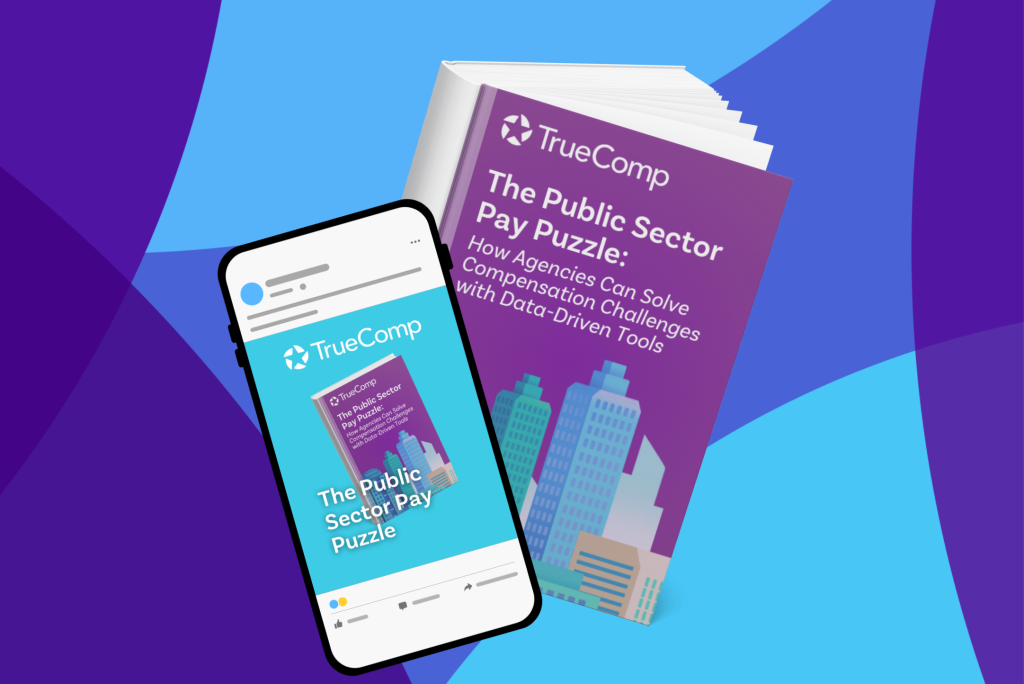
Solving the Public Sector Pay Puzzle: How Agencies Can Tackle Compensation Challenges Managing compensation is one of the most complex and critical responsibilities for public sector agencies today. With rising labor costs, high turnover, and increasing pressure to stay competitive in a tight labor market, government organizations are navigating a perfect storm. Traditional approaches — outdated spreadsheets, disconnected data systems, and reactive decision-making — are no longer enough to meet the moment. Download the eBook here In our latest eBook, The Public Sector Pay Puzzle: How Agencies Can Solve Compensation Challenges with Data-Driven Tools, we explore how cities, counties, and agencies across the country are modernizing their approach to workforce planning and compensation management. Why Solving the Pay Puzzle Matters Competitive and equitable pay is the foundation of an engaged workforce. However, without real-time insights and integrated planning tools, many agencies face: Budget shortfalls due to inaccurate labor cost forecasting Talent drains fueled by pay compression and market misalignment Prolonged vacancies that strain service delivery Financial surprises during labor negotiations By embracing smarter, data-driven compensation strategies, public agencies can turn these challenges into opportunities. Real Stories, Real Solutions In this eBook, we highlight how leading agencies are taking control of their workforce and financial futures: Columbus, OH implemented real-time labor costing to transform budget forecasting and strengthen labor negotiations. Grand Traverse County, MI tackled pay compression and retention challenges by adopting a data-driven compensation adjustment strategy. Lomita, CA modernized its compensation management system, moving from static spreadsheets to dynamic, integrated tools. Nye County, NV leveraged real-time labor costing to negotiate fair, financially sustainable labor agreements. Phoenix, AZ revolutionized pension forecasting, empowering the city to independently model liabilities and plan for long-term stability. A Smarter Path Forward Agencies that invest in modern compensation tools can: Accurately forecast labor costs to avoid budget surprises Benchmark pay structures against real-time market data Proactively model salary adjustments and hiring scenarios Strengthen labor negotiations with transparent, reliable data The future of public sector workforce management is proactive, not reactive. It’s data-driven, not guesswork. And it’s happening right now in agencies that are ready to lead. Get Your Roadmap to Smarter Compensation Management If your agency is ready to move beyond spreadsheets and outdated practices, download The Public Sector Pay Puzzle today. Learn how real-time insights, integrated tools, and better forecasting can help you build a stronger, more financially sustainable workforce. Download the eBook here Recent Posts Solving the Public Sector Pay Puzzle TrueComp and Carahsoft Partner to Optimize Workforce Analytics TrueComp Appoints New CEO and CRO to Lead Company’s Next Growth Phase Mastering Market Studies: A Guide for Public Sector Success Load More Tags Resource Library Articles Customer Toolkit Case Studies Events & Webinars Videos Newsroom Subscribe today! We want to hear your story! Is your agency making waves in public service with fresh, innovative solutions—especially when it comes to tackling tough compensation challenges? Share your journey with us for a chance to be featured in our upcoming agency spotlight series. Let’s shine a light on your achievements and inspire others together! Click here
TrueComp and Carahsoft Partner to Optimize Workforce Analytics
TrueComp and Carahsoft Partner to Optimize Workforce Analytics in the Public Sector LOS ANGELES, Calif, and RESTON, Va. – April 29, 2025 – TrueComp, the pioneer of compensation analytics technology for Government agencies, and Carahsoft Technology Corp., The Trusted Government IT Solutions Provider®, today announced a partnership. Under the agreement, Carahsoft will serve as TrueComp’s Master Government Aggregator®, making the company’s compensation analytics software and consulting services available to the Public Sector through Carahsoft’s reseller partners and NASA Solutions for Enterprise-Wide Procurement (SEWP) V, National Association of State Procurement Officials (NASPO) ValuePoint and OMNIA Partners contracts. “Carahsoft’s vast partner ecosystem and commitment to innovation make them an ideal partner as we expand our reach into the Public Sector and equip more Government agencies with mission critical workforce insights,” said Harold Westervelt, CEO of TrueComp. “With this partnership, State and Local agencies across the country will gain access to real-time data that helps navigate hiring challenges, negotiate with confidence and build sustainable workforce strategies for the future.” TrueComp’s compensation analytics solutions are purpose-built for Government agencies and provide the clarity and control needed to manage workforce costs effectively. By combining real-time data with powerful modeling tools, TrueComp helps agencies make informed decisions that align with budget constraints and workforce strategies. Key benefits include: Real-time labor cost insights: Gain a comprehensive understanding of total workforce expenses, including salaries, benefits and long-term obligations. Impact analysis for smarter decisions: Model wage adjustments, benefit changes, and workforce shifts before committing resources. Data-driven labor negotiations: Approach negotiations with clear, data-backed insights and easily compare cost scenarios. Equity and transparency in pay: Identify and address pay disparities while ensuring fair and sustainable compensation structures. Strategic workforce planning: Develop long-term recruitment, retention and talent management strategies grounded in data. TrueComp’s solutions bridge the gap between HR and finance, driving collaboration and streamlining efficiency. With accurate insights and scenario planning at their fingertips, agencies can make proactive and informed data-driven choices that strengthen their workforce and enhance public service delivery. “This partnership with TrueComp will enhance HR strategies and help departments navigate the complex challenges of compensation analytics, streamlining workforce operations in the Public Sector,” said Tiffany Goddard, Program Executive for Customer Experience & Engagement Solutions at Carahsoft. “Carahsoft and our resellers remain dedicated to providing the Public Sector with the essential tools that drive data-informed decision-making and operational excellence.” TrueComp’s software and services are available through Carahsoft’s SEWP V contracts NNG15SC03B and NNG15SC27B, NASPO ValuePoint Master Agreement #AR2472 and OMNIA Partners Contract #R191902. For more information, contact the TrueComp’s team at Carahsoft at (703) 673-3570 or TrueComp@carahsoft.com; or click here to explore how TrueComp transforms compensation planning, labor costing and financial forecasting for Government agencies through their On-Demand-Demo. About TrueComp TrueComp partners with over 1,000 public sector agencies to modernize workforce planning, compensation, and benefits analysis. Its intuitive platform and expert consulting empower HR and finance leaders with transparency, efficiency, and equity to make smarter decisions in recruitment, retention, and budgeting. TrueComp recognizes that a government agency’s workforce is its most valuable asset and helps organizations treat talent management as a strategic priority. By delivering instant, actionable insights, TrueComp enables agencies to attract top talent, optimize labor strategies, and achieve long-term fiscal sustainability. The company was recognized among the Top 100 Government Services companies on the 2024 Inc. 5000. Learn more at www.truecomp.com. Contact Valerie Carlson (206) 200-3219 valerie.carlson@truecomp.com About Carahsoft Carahsoft Technology Corp. is The Trusted Government IT Solutions Provider®, supporting Public Sector organizations across Federal, State and Local Government agencies and Education and Healthcare markets. As the Master Government Aggregator for our vendor partners, we deliver solutions for HR and Training Technology, Cybersecurity, MultiCloud, DevSecOps, Big Data, Artificial Intelligence, Open Source, Customer Experience and Engagement, and more. Working with resellers, systems integrators and consultants, our sales and marketing teams provide industry leading IT products, services and training through hundreds of contract vehicles. Visit us at www.carahsoft.com. Contact Mary Lange 703-230-7434 pr@carahsoft.com Recent Posts TrueComp Appoints New CEO and CRO to Lead Company’s Next Growth Phase Mastering Market Studies: A Guide for Public Sector Success The Quiet Cost of Vacancies in Local Government TrueComp Named Finalist in 2025 HR Tech Awards Load More Tags Resource Library Articles Customer Toolkit Case Studies Events & Webinars Videos Newsroom Subscribe today! We want to hear your story! Is your agency making waves in public service with fresh, innovative solutions—especially when it comes to tackling tough compensation challenges? Share your journey with us for a chance to be featured in our upcoming agency spotlight series. Let’s shine a light on your achievements and inspire others together! Click here
TrueComp Appoints New CEO and CRO to Lead Company’s Next Growth Phase
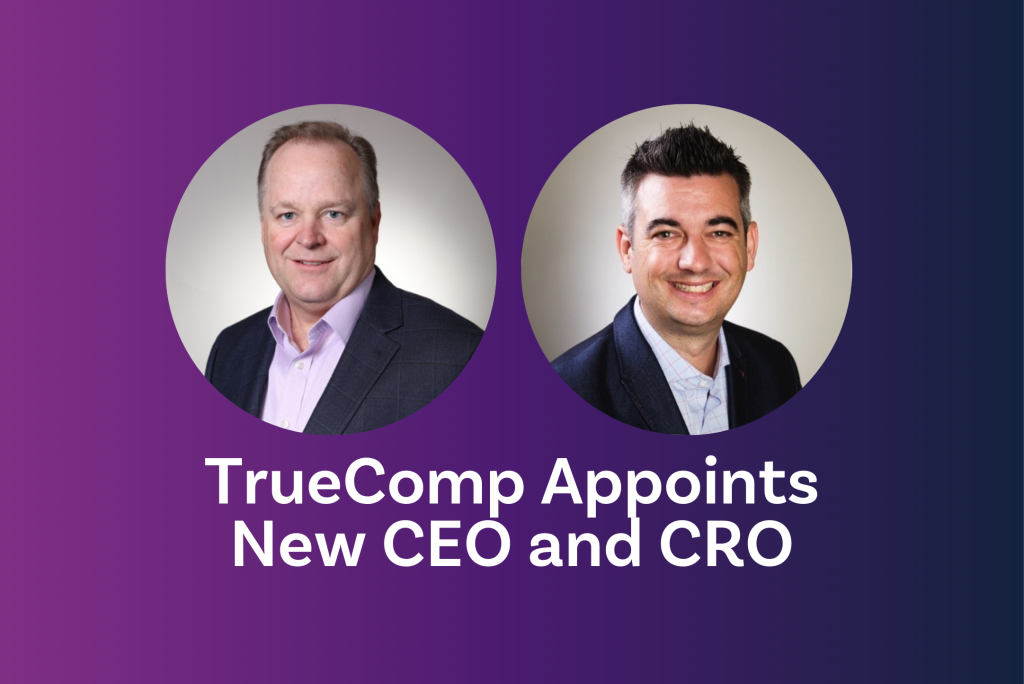
TrueComp Appoints New CEO and CRO to Lead Company’s Next Growth Phase Executive hires underscore company’s momentum and commitment to smarter government workforce solutions WEST HOLLYWOOD, Calif. – April 28, 2025 – TrueComp, the pioneer of compensation analytics technology for government agencies, today announced the appointment of Harold Westervelt as Chief Executive Officer and Ryan James as Chief Revenue Officer. These key hires position TrueComp to accelerate growth, scale operations, and meet the urgent and rising demand for modern compensation and workforce planning tools in the public sector. Westervelt brings decades of executive leadership experience in SaaS and enterprise software, with a proven record of scaling companies, improving operating margins, and delivering outsized results. Prior to joining TrueComp, Westervelt served as CEO of FileTrail, where he led the company through multiple acquisitions, achieved 20% year-over-year ARR growth, and delivered industry-leading customer retention. His background also includes transformative roles at Sapiens Decision, Computer Sciences Corporation, INVeSHARE, Inc. and other high-growth tech organizations. “TrueComp is meeting a real and growing need in the public sector: data-driven tools and insights that bring clarity to complex workforce decisions,” said Harold Westervelt, CEO of TrueComp. “What drew me to the company is its focus—not just on innovation, but on impact. We have a powerful product, a strong team, and a clear opportunity to help public agencies navigate some of their toughest challenges with confidence. I’m honored to help lead this next phase.” Joining as Chief Revenue Officer, Ryan James will lead all go-to-market strategy, sales execution, and revenue operations. A seasoned revenue leader with more than 15 years of SaaS experience, James brings deep expertise in both commercial and government markets. He most recently served as SVP of Sales at Springbrook Software, where he oversaw enterprise sales, marketing, client success, and channel partnerships—driving double-digit growth and expanding market share focused on the public sector. He has also held senior sales leadership roles at Businessolver and ADP. “I’m honored to join a company that’s redefining what compensation transparency means for the public sector,” said Ryan James, Chief Revenue Officer. “TrueComp is helping agencies move beyond compliance to build trust, equity, and smarter workforce strategies. At a time when public institutions are being asked to do more with less, I see enormous potential to support leaders with tools that truly make a difference. I’m proud to be part of a mission that puts better data and better decisions into the hands of those who serve.” With these leadership appointments, TrueComp is poised to meet growing demand from public sector clients nationwide seeking better ways to align compensation with market standards, promote equity, and make workforce planning more strategic and data-driven. About TrueComp TrueComp partners with over 1,000 public sector agencies to modernize workforce planning, compensation, and benefits analysis. Its intuitive platform and expert consulting empower HR and finance leaders with transparency, efficiency, and equity to make smarter decisions in recruitment, retention, and budgeting. TrueComp recognizes that a government agency’s workforce is its most valuable asset and helps organizations treat talent management as a strategic priority. By delivering instant, actionable insights, TrueComp enables agencies to attract top talent, optimize labor strategies, and achieve long-term fiscal sustainability. The company was recognized among the Top 100 Government Services companies on the 2024 Inc. 5000. Learn more at www.truecomp.com. Recent Posts Mastering Market Studies: A Guide for Public Sector Success The Quiet Cost of Vacancies in Local Government TrueComp Named Finalist in 2025 HR Tech Awards Cut Costs Without Cutting Corners Load More Tags Resource Library Articles Customer Toolkit Case Studies Events & Webinars Videos Newsroom Subscribe today! We want to hear your story! Is your agency making waves in public service with fresh, innovative solutions—especially when it comes to tackling tough compensation challenges? Share your journey with us for a chance to be featured in our upcoming agency spotlight series. Let’s shine a light on your achievements and inspire others together! Click here
Mastering Market Studies: A Guide for Public Sector Success

Mastering Market Studies: A Guide for Public Sector Success Webinar Recording If you missed the live session or want to revisit the insights shared, the full recording is available here: Watch the Webinar Recording Why Market Studies Matter More Than Ever In today’s competitive labor market, public sector agencies face mounting pressure to attract and retain top talent. Accurate market studies are essential tools that help agencies align their compensation structures with current labor trends, ensuring they remain competitive and equitable. Beyond the Midpoint: Evaluating the Full Salary Range A common pitfall in compensation planning is focusing solely on aligning pay range midpoints with market medians. However, this approach can overlook discrepancies at the minimum and maximum ends of the salary range. For instance, aligning only the midpoint may still leave starting salaries uncompetitive, hindering recruitment efforts. Conversely, misaligned maximums can limit growth opportunities, affecting retention. A comprehensive evaluation of the entire salary range ensures a more balanced and effective compensation strategy. Understanding Salary Range Bandwidth Salary range bandwidth—the spread between the minimum and maximum salaries—plays a crucial role in compensation planning. Agencies with narrower bands may struggle to offer competitive salaries, especially at the higher end, potentially leading to retention issues. Conversely, wider bands can provide more flexibility but may also introduce challenges in maintaining internal equity. Assessing and adjusting bandwidth in line with market standards helps agencies strike the right balance between competitiveness and fairness. Strategic Alignment with the Labor Market Effective compensation planning requires a clear understanding of the relevant labor market. Agencies must identify appropriate market comparators and ensure their salary structures reflect these benchmarks. This strategic alignment enables agencies to set competitive starting salaries, offer meaningful progression opportunities, and maintain fiscal responsibility. Data-Driven Decision Making for Equity and Recruitment Utilizing comprehensive market data empowers agencies to make informed decisions that promote equity and enhance recruitment efforts. By analyzing the full salary range and understanding bandwidth implications, agencies can identify and address potential disparities. This data-driven approach supports the development of compensation strategies that are both competitive and equitable, fostering a more engaged and satisfied workforce. Looking Ahead: Implementing Effective Compensation Strategies Building on the insights from this webinar, TrueComp and CPS HR are planning a follow-up session focused on the timing of compensation studies and the implementation of changes. This upcoming session will delve into best practices for integrating market study findings into budget planning and labor negotiations, ensuring that compensation strategies are both timely and effective. Recent Posts The Quiet Cost of Vacancies in Local Government TrueComp Named Finalist in 2025 HR Tech Awards Cut Costs Without Cutting Corners The Fastest Way to Address Budget Gaps Load More Tags Resource Library Articles Customer Toolkit Case Studies Events & Webinars Videos Newsroom Subscribe today! We want to hear your story! Is your agency making waves in public service with fresh, innovative solutions—especially when it comes to tackling tough compensation challenges? Share your journey with us for a chance to be featured in our upcoming agency spotlight series. Let’s shine a light on your achievements and inspire others together! Click here
The Quiet Cost of Vacancies in Local Government
The Quiet Cost of Vacancies in Local Government Across local government, budget-conscious leaders often see an open position as a welcome break for their bottom line. With no salary to pay, it’s easy to chalk up a vacancy as a short-term savings. In fact, some agencies deliberately delay hiring, viewing prolonged vacancies as a strategy to reduce expenditures during budget shortfalls or uncertain fiscal periods. But this logic is flawed. In reality, unfilled roles aren’t savings—they’re hidden costs. And if your agency intends to fill that vacancy eventually, each day it remains unfilled is racking up a quiet but measurable financial loss. From burnout and turnover to missed deadlines, overtime costs, and decreased service quality, the expense of “saving money” with an open position adds up quickly. Let’s break down why vacancies are more expensive than they appear—and why filling them strategically (not slowly) is the smarter financial move. 1. Vacant Roles Drive Overtime and Burnout When one person leaves, the work doesn’t go with them. That workload is redistributed—often to already overstretched employees. In many cases, agencies must approve overtime for staff who pick up the slack, sometimes at time-and-a-half pay. What looks like savings on a $95,000 annual salary can easily become tens of thousands in unexpected OT costs. More concerning is the human cost. Overloaded employees burn out, disengage, or leave altogether, compounding the vacancy issue. And replacing them only adds more time, money, and organizational strain. 2. Every Vacancy Delays Essential Work Government work doesn’t slow down just because a position is empty. Permits still need to be issued. Inspections still need to happen. Cases still need to be reviewed. Whether it’s public works, planning, human resources, or finance, every unfilled role affects service delivery—internally and externally. For roles tied to compliance, budget planning, or essential infrastructure, delays can ripple into even costlier consequences. For example: A delayed procurement could result in missed grant deadlines. A backlogged planning department might slow down economic development. An unstaffed HR role could stall recruitment for other vacancies, multiplying delays. The longer a role is open, the more expensive the consequences become—not just in dollars, but in public trust. 3. You’re Losing Talent Every Day You Wait When your job sits open for months, you’re not just waiting—you’re losing. The labor market has changed. Top government talent doesn’t wait around for six-month interview processes. If you’re not moving fast, you’re losing out to agencies (or even private employers) that are. In our article The Hidden Costs of Hiring in Local Government, we break down how long hiring timelines directly correlate with increased drop-off rates. For every extra day the process drags on, agencies risk losing qualified applicants who move on or lose interest. In short: the longer the vacancy, the harder and more expensive it becomes to fill. 4. Vacancies Obscure True Budgeting Needs One of the most overlooked consequences of delayed hiring is inaccurate budgeting. When vacancies are left open for long periods, budgets can appear artificially under control. But this “savings” is just deferral—not true cost reduction. Worse, it creates a false picture for the next budget cycle. Decision-makers may assume the agency can function with less staff, underestimating true workforce needs. That means lower future allocations, fewer authorized positions, and even more pressure on the team. It’s a cycle that creates structural underfunding—at a time when recruitment and retention are already difficult. 5. Every Open Role Comes With a Real Price Tag Let’s quantify the cost. In most cases, the total cost of a vacancy goes far beyond lost salary. If a $100,000 role is vacant for 90 days, the salary savings is just under $25,000. But add in: Overtime costs for coverage Hiring costs (recruiters, ads, screening time) Productivity loss Delayed project costs Employee burnout and attrition risk … and the true cost of that 90-day vacancy can easily exceed the amount you “saved.” And it’s not just us saying that. Industry research consistently shows that every unfilled role in local government has a cost per vacancy day—a number that varies by job type and location but often exceeds $500 to $1,000 per day. If your agency has 10 vacancies open for 3 months, that could be a hidden six-figure hit to your budget. 6. Long Vacancies Undermine Workforce Planning Vacancies aren’t just a line item—they’re a symptom. When your agency sees persistent openings, it’s often a sign that workforce planning isn’t aligned with reality. Are the salary ranges competitive? Is the hiring process too long? Are job descriptions outdated? Are internal teams equipped to recruit effectively? Strategic workforce planning means more than posting jobs—it means forecasting needs, streamlining hiring, and budgeting with real-time data. That’s why agencies are turning to platforms like TrueComp to analyze vacancy trends, hiring bottlenecks, and compensation benchmarks in real time. So, What Should Agencies Do Instead? If your agency is operating under the assumption that vacancies are budget-friendly, now’s the time to change the mindset. Instead: Treat vacancies as a cost center, not a savings tool. Track the daily cost of each open position—including indirect costs like overtime and lost productivity. Benchmark your hiring timelines and see where delays are costing you top candidates. Re-evaluate your workforce plan to reflect real needs and market dynamics. Use data to drive decisions, not assumptions. The Bottom Line In local government, every dollar matters. But not every dollar saved is a dollar earned. Vacancies may look like a budget win on paper—but in reality, they’re bleeding time, talent, and public trust from your agency. By reframing how we think about open roles, we can make better decisions, move faster, and serve our communities more effectively. It’s time to stop seeing vacancies as savings—and start treating them like the costly delays they really are. For a deeper dive into how long hiring timelines and unfilled roles impact your agency, explore The Hidden Costs of Hiring in Local Government. Recent Posts TrueComp Named Finalist in 2025 HR Tech Awards Cut Costs Without Cutting Corners
TrueComp Named Finalist in 2025 HR Tech Awards
TrueComp Named Finalist in 2025 HR Tech Awards for Best Talent Intelligence Solution WEST HOLLYWOOD, Calif. – April 17, 2025 — TrueComp, the leading workforce analytics and compensation planning platform for the public sector, has been named a 2025 HR Tech Awards finalist by Lighthouse Research & Advisory. The company was recognized in the Talent Analytics category for Best Talent Intelligence Solution, honoring technologies that help organizations make more strategic talent decisions through data and insights. The HR Tech Awards, now in its sixth year, spotlight the most innovative and effective HR technologies on the market. With over 5,000 HR technology providers globally, only 1–2% earn this distinction each year. Finalists were announced earlier today following a rigorous review process by an independent panel of industry analysts, practitioners, and educators. “It’s easy for many HR tech providers to focus on the private sector, but the government HR function also needs intuitive, useful technology,” said Ben Eubanks, Chief Research Officer at Lighthouse Research & Advisory. “TrueComp is one of those providers, offering a mechanism for more than 1,000 clients across cities, counties, and government agencies to not just manage compensation, but bring data to critical workforce decisions and collective bargaining discussions. Excellent work.” TrueComp’s data-driven platform helps agencies across the U.S. tackle some of the most pressing public sector challenges—recruiting and retaining talent, managing compensation fairly, and aligning HR and finance teams to support long-term fiscal sustainability. “We built TrueComp to solve real and urgent problems in government – like the lack of clear, connected data around labor costs,” said Michael Fryke, CEO of TrueComp. “This recognition validates the work our team is doing to support agencies with technology that’s not only powerful, but easy to use—and purpose-built for public service. We’re proud to help agencies make more transparent, sustainable workforce decisions at a time when it’s needed most.” “Every year I’m curious how the industry’s best and brightest companies are going to raise the bar,” Ben Eubanks continues. “Our team and judges are constantly amazed by the ways today’s HR tech providers are bringing real, measurable value to the market. Personally, I think this year’s entries represent the best that our industry has to offer.” To see the full list of award recipients, visit: www.hrtechawards.org About TrueComp TrueComp partners with over 1,000 public sector agencies to modernize workforce planning, compensation, and benefits analysis. Its intuitive platform and expert consulting empower HR and finance leaders with transparency, efficiency, and equity to make smarter decisions in recruitment, retention, and budgeting. TrueComp recognizes that a government agency’s workforce is its most valuable asset and helps organizations treat talent management as a strategic priority. By delivering instant, actionable insights, TrueComp enables agencies to attract top talent, optimize labor strategies, and achieve long-term fiscal sustainability. The company was recognized among the Top 100 Government Services companies on the 2024 Inc. 5000. Learn more at www.truecomp.com. Recent Posts The Fastest Way to Address Budget Gaps Stop Guessing About Pay: Let Data Lead the Way Walk Into Labor Negotiations with Confidence: Five Tips You Need Using Data to Break the Cycle of Government Vacancies Load More Tags Resource Library Articles Customer Toolkit Case Studies Events & Webinars Videos Newsroom Subscribe today! We want to hear your story! Is your agency making waves in public service with fresh, innovative solutions—especially when it comes to tackling tough compensation challenges? Share your journey with us for a chance to be featured in our upcoming agency spotlight series. Let’s shine a light on your achievements and inspire others together! Click here
Cut Costs Without Cutting Corners

Cut Costs Without Cutting Corners: How to Use Data to Solve Shortfalls When budgets tighten, the knee-jerk reaction is often to reduce headcount, freeze hiring, or delay projects. But for public sector leaders, the real challenge isn’t just cutting costs—it’s doing so responsibly, without compromising the services people rely on every day. At TrueComp, we believe there’s a better way. Solving budget shortfalls doesn’t have to mean slashing. With the right labor data, public agencies can make smart, ethical, and efficient decisions that preserve service levels and align resources where they’re needed most. You don’t need to cut corners—you just need to be confident in where and how you spend. Here’s how to use data the right way to meet your shortfall head-on—and lead with integrity. Put People at the Center of Smarter Budgeting For most local governments, labor is the largest line item on the budget—often 70% or more. It’s also where the most opportunity exists for meaningful, targeted action. But too often, agencies lack a full, real-time view of their labor spending across departments, funding sources, and roles. They might know how many FTEs are budgeted. They may even have a payroll report. But what they don’t have is clarity: Which roles are essential? What is the true cost of overtime? Where are benefits outpacing inflation? What’s duplicative? That’s where TrueComp comes in. Our platform helps agencies quickly pull together fragmented data—payroll, benefits, schedules, union agreements, vacancy rates—into one standardized system that gives you real insights. Not just numbers. Not just spreadsheets. But visibility into the full cost of your workforce and the ability to model scenarios before acting. Don’t Just Analyze—Simulate Analysis is great. But during a budget shortfall, you don’t just need to understand the problem—you need to model your options and test your decisions before they hit real people. With TrueComp’s labor costing tools, public agencies can simulate workforce scenarios in just a few clicks. Want to see the impact of a hiring freeze? Or compare the savings of adjusting step increases versus holding open vacant roles? You can model those options—and see the real budget impact—without spending weeks building complex Excel models. More importantly, you can run these models in a way that’s aligned with your agency’s values: Equitably: Understand how changes affect different job classes and departments Strategically: Prioritize high-need roles and service-critical functions Transparently: Show your community and stakeholders how and why decisions were made Make Ethical Cuts by Asking the Right Questions Data allows you to ask—and answer—the questions that keep your decision-making honest and grounded in mission. Some of the most effective questions we see agencies asking include: Are we over-resourced in any areas due to legacy staffing models? Many org charts were built for the needs of 10 years ago. What’s changed? What would it cost to delay new hires or retirements for 6 months? Sometimes, timing changes alone can buy valuable runway without reducing headcount. Are there classification or pay structures that are misaligned with market norms? Use compensation benchmarks to identify where adjustments make sense—up or down. What can we save by optimizing overtime or limiting backfill hours? Controlling high-cost practices can lead to significant gains without any layoffs. The goal isn’t to cut for the sake of cutting. It’s to realign resources with what your agency actually needs—and to do so in a way that’s fair and defensible. Stop Chasing One-Time Savings When you’re under pressure to close a gap, it’s tempting to look for one-time savings: a hiring freeze, a travel ban, a deferred capital project. But these don’t solve structural problems. They delay them. TrueComp helps agencies shift from reactive to proactive. With our scenario planning tools, you can forecast costs 1, 3, even 5 years out. You can spot unsustainable benefit growth early. You can see the impact of salary changes before you negotiate. And you can understand what short-term savings will cost you in the long run—like when deferred hiring today leads to a talent drain tomorrow. Real cost control isn’t about one-and-done decisions. It’s about building a culture of data-informed, forward-looking financial planning that helps you maintain service levels and community trust over time. Be Transparent—Because Trust Is a Budget Tool Too When you use data well, you’re not just making better choices. You’re building confidence. One of the most powerful things we see our customers do is use labor data to communicate clearly—with council members, union reps, department heads, and the public. That means: Showing the assumptions behind each scenario Explaining the real tradeoffs and costs of doing nothing Demonstrating alignment between budget choices and community priorities You can’t build that kind of trust with broad-stroke budget cuts or vague explanations. But you can build it with accurate, clear, and timely data—especially when it’s presented visually and tied directly to outcomes. TrueComp makes it easy to tell your story. Our tools help you show what you’re solving for, not just what you’re cutting. What Real Agencies Are Doing Right Now Across the country, agencies are using TrueComp to cut costs without cutting corners: A mid-sized city in the Southwest used TrueComp to identify that 18% of their open roles had been vacant for over a year—and were being automatically backfilled in budget cycles. By removing or reclassifying those positions, they saved over $2 million without reducing active staff. A county HR team in California used the platform to propose smarter COLA structures tied to real inflation data and market benchmarks, gaining union buy-in and preventing an across-the-board raise they couldn’t afford. A regional transit authority avoided a 7% cut in frontline services by modeling early retirement incentives and redistributing workloads in admin functions. These aren’t hypothetical savings. They’re real decisions made faster, backed by better data. Conclusion: Leadership Means Acting Responsibly, Not Just Quickly Budget shortfalls are never easy. And in government, every dollar has a face, a name, and a community impact. That’s why the TrueComp approach is different. We help public agencies solve financial challenges in a